

smoothchess.org Logo smoothchess.org Contact Us
Contact Us
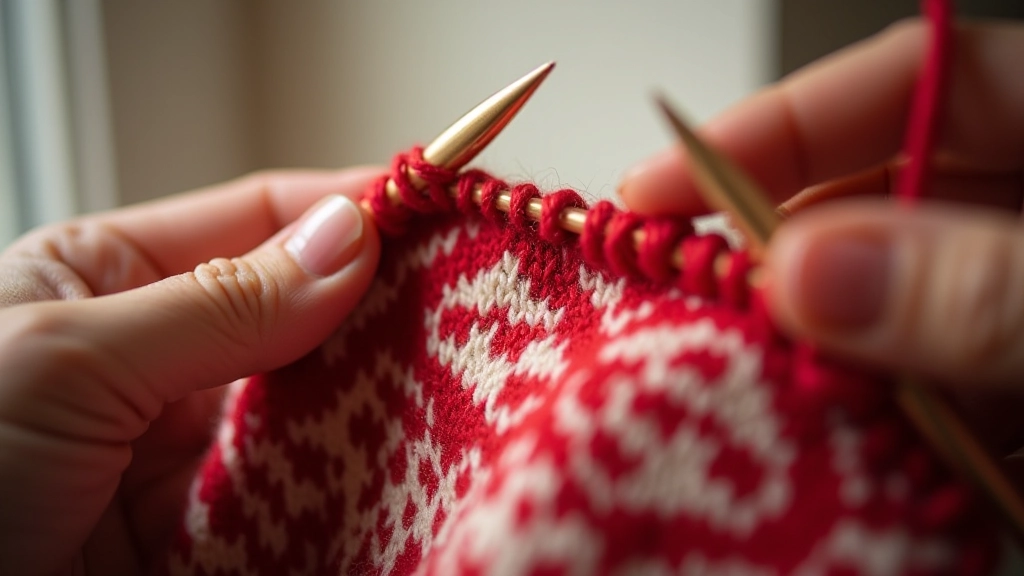
Close-up of Fair Isle knitting pattern with red and cream colored wool showing traditional geometric design
Beginner 12 min read

Fair Isle Patterns for Beginners: Starting Simple

Learn to manage two-color stranding, choose your first Fair Isle project, and master classic geometric patterns without the tension headaches.

April 2026

Why Fair Isle Feels Intimidating (But Really Isn't)

Fair Isle knitting gets a reputation for being difficult. You've probably seen those intricate sweaters with dozens of colors and thought they're for advanced knitters only. That's not true. The basics are straightforward — it's just working with two colors at once instead of one.

The truth is, most beginners struggle with tension and managing the yarn floats. But once you understand how to hold both colors comfortably, everything clicks. We're going to walk through exactly how to start, what projects work best for learning, and the techniques that actually prevent frustration.

What You'll Actually Learn

  • Holding two yarns without your hands cramping
  • Reading Fair Isle charts and translating them to stitches
  • Managing tension so your floats don't pull
  • Choosing patterns that match your skill level

Holding Yarn: The Method That Actually Works

There are several ways to hold two colors. You don't have to do it the "traditional" way — do what feels natural to your hands. Many beginners find it easiest to hold one color in each hand, the way you'd hold yarn for continental and English knitting simultaneously.

Start by tensioning each color separately through your fingers. Most knitters keep their dominant-hand color (usually English style) slightly looser and their other color (continental style) slightly tighter. This balances out tension naturally without overthinking it.

Pro tip: Practice holding both yarns while watching TV for 15 minutes. You'll feel the muscle memory kick in faster than sitting with needles in hand.

Hands holding knitting needles with two different colored yarns tensioned through fingers, showing proper yarn management for Fair Isle knitting
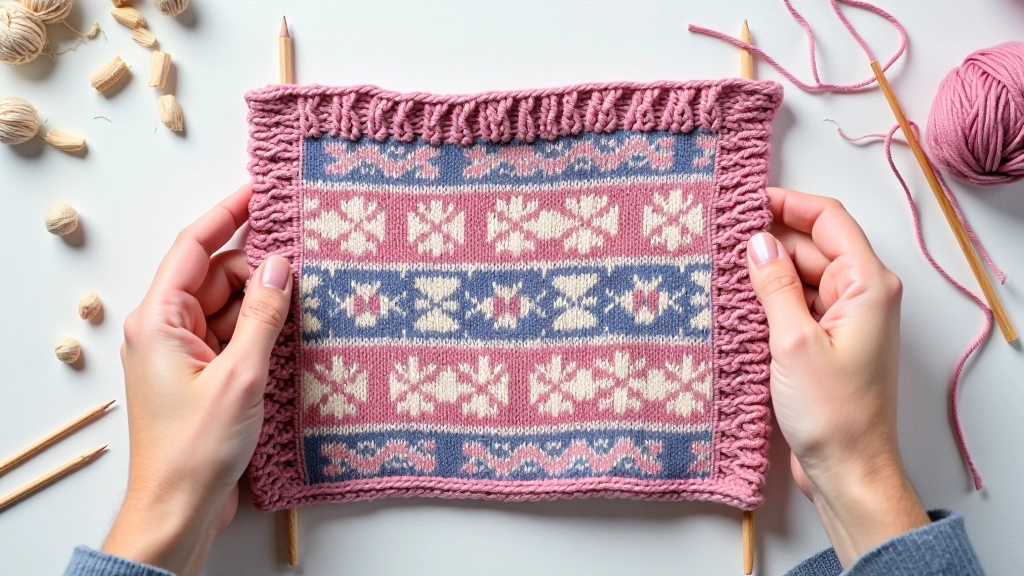
Flat lay showing a Fair Isle knitted swatch with visible floats on the back side, demonstrating proper yarn management and float length

Managing Floats Without the Headache

Floats are the yarn strands that run across the back of your work when you're not actively using a color. Get these wrong and your fabric pulls tight, your stitches bunch up, and you'll want to throw the whole project out a window.

The rule everyone quotes is "keep floats no longer than one inch." That's actually pretty good advice for beginners. When you skip more than 4-5 stitches with one color, catch the other color under it — just slip it under without twisting. Don't overthink it. This simple technique keeps tension even and prevents that puckering everyone complains about.

Most of your tension problems in Fair Isle come from either too-tight floats or too-loose floats. Start by knitting a small swatch with whatever pattern you choose. Measure the floats on the back. If they're loose and droopy, your stitches are too big — tighten slightly. If they're pulling, you've made them too short or too tight.

Your First Fair Isle Project: What Actually Works

Don't start with a sweater. Seriously. Start small and build confidence. These projects teach you the fundamentals without committing 40+ hours to something that might frustrate you.

Socks

Small circumference, short repeat patterns, and you'll finish in a week or two. Sock yarn comes in great colorways, and if you mess up, you've only lost one skein.

Time: 7-10 hours | Yarn: 1-2 skeins

Cowl or Neck Warmer

Circular knitting at a larger gauge than socks. You'll see results quickly and can wear it immediately. The continuous spiral eliminates the complexity of joining sections.

Time: 8-12 hours | Yarn: 400-600 yards

Mittens or Gloves

Flat or circular, mittens teach you both the two-color technique and shaping. Classic Fair Isle patterns work perfectly at this scale without overwhelming detail.

Time: 10-14 hours | Yarn: 300-500 yards

Our recommendation: Start with a cowl. They're forgiving, quick enough to stay motivated, and you'll have something finished to wear. Once you've got the tension dialed in over a few hours of knitting, move to socks or mittens where the techniques matter more.

Reading Charts Like You Actually Understand Them

Fair Isle patterns are shown on grids — charts where each square represents one stitch, and colors represent which yarn to use. They're simpler than written instructions once you get used to them. Read from right to left on the first row (flat knitting), then left to right on the next row. If you're knitting in the round, always read right to left.

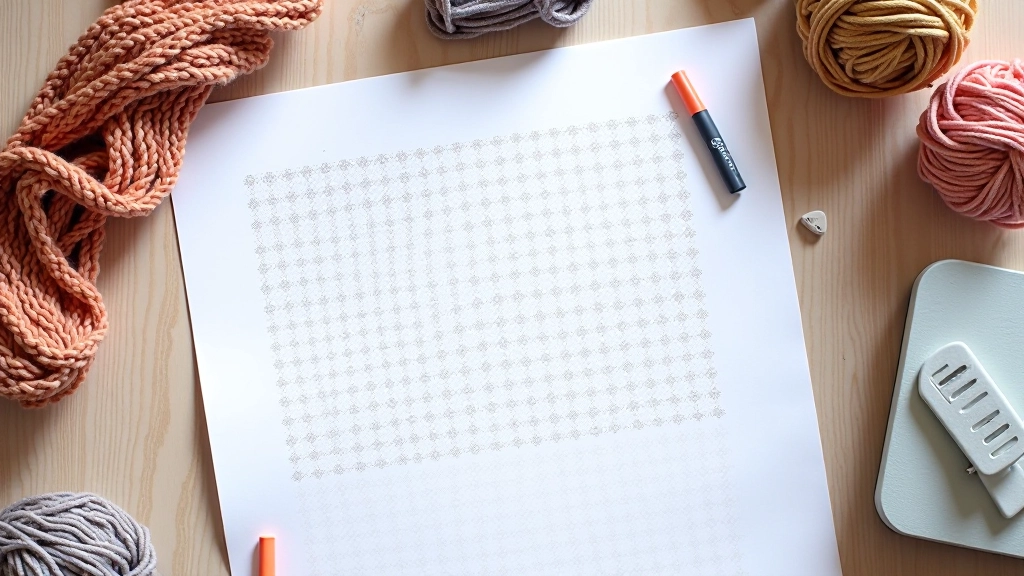
Print your chart. Seriously. Stare at it for five minutes before you start knitting. Mark off each row as you complete it with a highlighter or sticky note. You'll make fewer mistakes and won't have to count stitches constantly. Most beginners who struggle with Fair Isle are actually just losing track of where they are in the pattern.

Fair Isle knitting pattern chart printed on paper with highlighter marking completed rows, showing traditional geometric design symbols and color squares
Margaret Thornton

Margaret Thornton

Senior Craft Editor and Textile Specialist

Textile specialist with 18 years' experience in Fair Isle knitting, British wool sourcing, and traditional UK craft education.

Start Small, Build Confidence, Love the Process

Fair Isle knitting isn't actually complicated — it's just different from single-color knitting. Once your hands understand how to hold two yarns and your brain accepts that floats are normal, you'll wonder why you ever thought it was hard.

Pick a project you actually want to wear. Choose colors that excite you. Knit a swatch first, don't skip that step. And remember that every experienced Fair Isle knitter started exactly where you are now, holding two yarns awkwardly and wondering if their floats looked right.

You've got this. Really.

A Note on Techniques and Safety

The techniques described in this guide represent best practices for Fair Isle knitting based on traditional methods and contemporary craft education. Individual results may vary depending on yarn weight, needle size, gauge, and personal knitting style. We recommend practicing techniques on swatches before starting full projects. If you experience hand pain or repetitive strain while knitting, adjust your tension, take breaks, or consult with an experienced knitting instructor. Every knitter's hands are different — adapt these methods to what works for your body.