
Fair Isle Patterns for Beginners: Starting Simple
Learn how to choose your first Fair Isle project, manage two-color stranding without tension issues, and master classic patterns that work on any gauge.
Explore the distinctive characteristics, textures, and heritage of Britain's finest wool varieties. From the rugged Shetland islands to the lush Welsh valleys, discover which wool works best for your next project.
There's something special about working with wool that's been raised and processed right here in the UK. It's not just about supporting local producers — though that's important. British wool carries history, character, and unique qualities you won't find everywhere else.
Each region produces wool with distinct properties shaped by climate, breed selection, and generations of farming knowledge. You'll notice the difference immediately when you're handling the yarn. The weight feels right. The way it takes dye varies. Some yarns bloom when you wash them. Others stay crisp and defined.
Whether you're knitting a jumper that'll last decades or experimenting with Fair Isle patterns, understanding British wool varieties helps you pick exactly what your project needs. You're not just choosing yarn — you're choosing a specific story and set of working characteristics.
British wool isn't one thing. It's a collection of distinct varieties, each with its own personality, weight range, and best uses. Knowing these differences transforms how you approach pattern selection and yarn shopping.
Shetland wool comes from the windswept islands off Scotland's northeast coast. The sheep there have been producing wool for centuries, and it shows. This isn't delicate yarn — it's sturdy, with a particular crisp feel that experienced knitters love.
The characteristic of Shetland is its resilience. You'll find it holds its shape beautifully, even in garments that get heavy wear. Many Fair Isle patterns are specifically designed for Shetland's weight and structure. It's typically a DK or light worsted, meaning you're working with a substantial yarn that creates dense fabric.
Colours matter too. Shetland comes in a remarkable natural palette — not just because of dyes, but because the sheep themselves produce wools in cream, grey, brown, and black. Traditional colourwork relies on these natural shades, which means authentic Fair Isle patterns look their absolute best in genuine Shetland.
One thing to know: Shetland can feel scratchy at first. Most knitters give their finished pieces a proper wash and it softens considerably. Some say it actually improves with wearing and repeated washing over months.
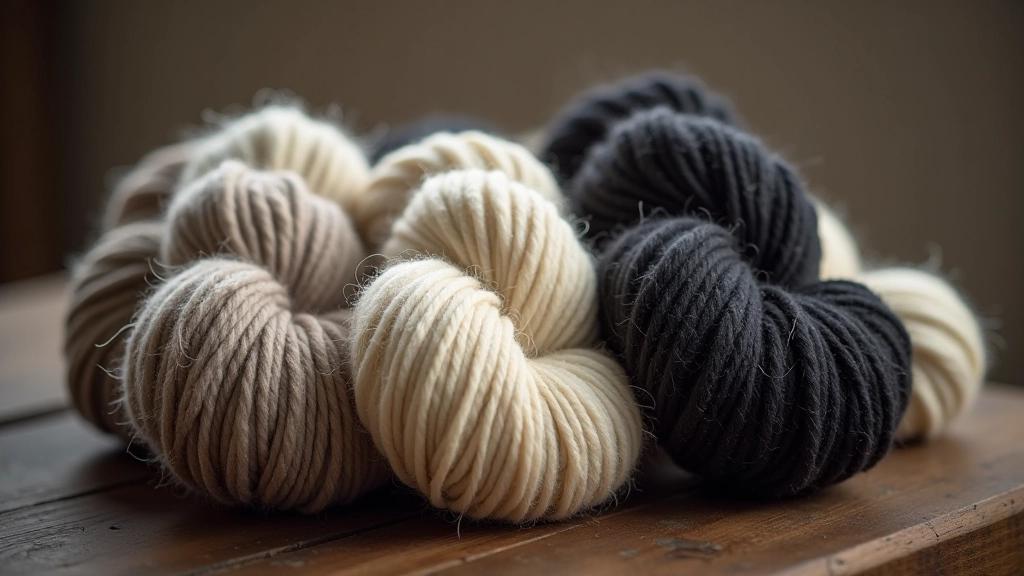

Welsh wool tells a different story. The Welsh hills produce sheep that give softer, more adaptable yarn than Shetland. If Shetland is the crisp, formal choice, Welsh is the comfortable everyday option.
What makes Welsh special is how it responds to dyes. The fibre absorbs colour beautifully, creating rich, vibrant shades. You'll see Welsh wool in jewel tones — deep crimsons, sapphire blues, emerald greens — that just glow. This makes it particularly popular for colourwork where you want visual impact without the subtlety of natural Shetland shades.
The weight ranges from fingering through to worsted, giving you flexibility. Many Welsh mills produce yarn specifically for everyday garments — jumpers, cardigans, blankets. It's yarn designed for comfort and longevity. You're looking at wool that won't pill excessively and actually gets better with age.
Welsh wool typically feels warmer than Shetland in the hand, partly because of the fibre structure and partly because of how it's usually spun. Beginners often find it more forgiving than Shetland — it's softer against skin right away.
Beyond Shetland and Welsh, Britain produces several other distinctive wools. Understanding these expands your options significantly.
Similar to Shetland but slightly softer. Works beautifully for Fair Isle and traditional patterns. Often comes in natural shades.
Produced across various Scottish regions, it's typically hardwearing and takes dye well. Great for everyday projects that need durability.
From the English Cotswolds, this is a longstaple wool producing yarn with beautiful lustre and drape. Excellent for garments where movement matters.
Sturdy and springy, Romney is ideal for projects needing structure. It's often used for heavy-wear items like blankets and outdoor garments.
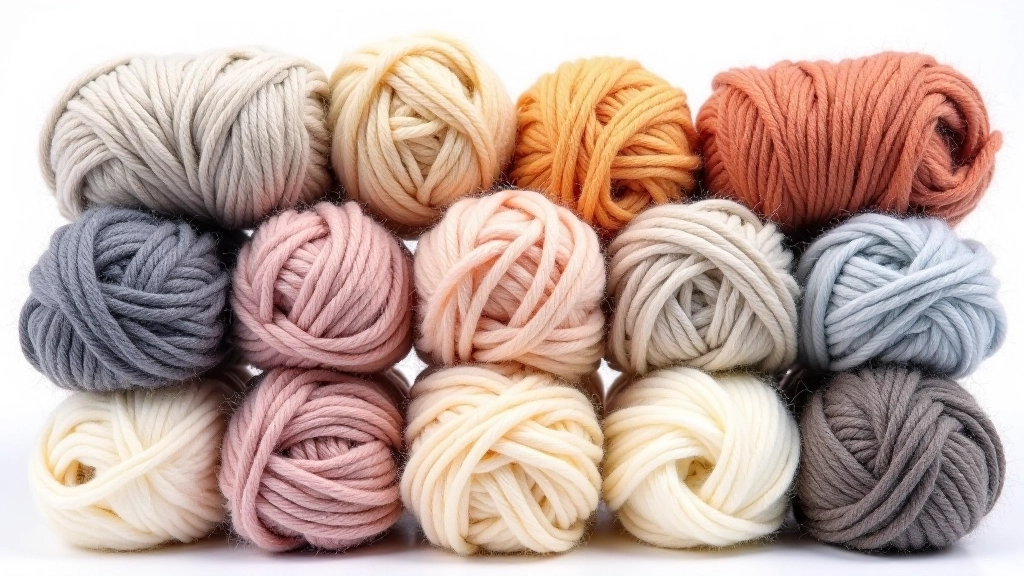
Welsh wool shines here. The dye uptake creates vivid patterns. Shetland works too if you're using natural colours. Look for a DK weight — it gives you enough control for pattern clarity without being too fine.
Welsh or Scottish wool in worsted weight. These are comfortable against skin once broken in, durable enough for regular wearing, and come in colours that work with most wardrobes. Expect to wash and wear regularly without problems.
Shetland, Romney, or Orkney. These hold their shape through wear and washing. They're perfect if you're making tailored pieces or anything requiring a specific silhouette. The crisp feel translates to garments that don't slouch.
Cotswold or long-staple Scottish wools. These create fabric with movement and elegance. Use them for shawls, flowing cardigans, and anything where how the garment hangs matters more than structure.
British wool garments are built to last, but they do need proper care. Most benefit from gentle hand washing in cool water with wool-specific detergent. Don't wring them — squeeze gently and lay flat to dry.
Blocking is especially important with British wools. Because many varieties have a crisp character, blocking helps them settle into their final shape. A light steam or wet blocking can transform how a finished piece looks and feels.
Storage matters too. Keep wool items in breathable bags, away from direct sunlight. Cedar chips or lavender sachets help prevent moths without the harshness of mothballs. Check stored items occasionally — these are investments worth protecting.
Many British wools improve with washing. That slightly rough Shetland softens noticeably. Welsh wool blooms and becomes fluffier. Don't judge a finished piece until it's been properly washed and blocked. You might be surprised at the transformation.
British wool varieties offer something modern mass-produced yarns simply can't match. There's heritage, character, and proven performance built into every skein. You're not just buying yarn — you're choosing fibres that have been refined through generations of knowledge.
Start by trying one or two varieties. Feel the difference between Shetland's crisp structure and Welsh wool's softness. Notice how dyes behave differently. Pay attention to how the finished fabric feels and wears. You'll quickly develop preferences based on real experience rather than guessing.
Visit a local yarn shop if you can — handling yarn in person beats ordering online. Talk to other knitters about what they're using. Join online communities focused on British crafts. The more you explore, the more confident you'll become in choosing exactly the right wool for each project.
This guide is provided for educational and informational purposes. Information about wool varieties, their characteristics, and care instructions is based on general knitting and textile knowledge. Individual results may vary depending on specific products, manufacturing processes, and personal handling. Always check yarn label instructions for specific care requirements. This content isn't a substitute for professional textile advice or manufacturer guidance. Recommendations are meant to inform and guide your choices, not guarantee specific outcomes.