
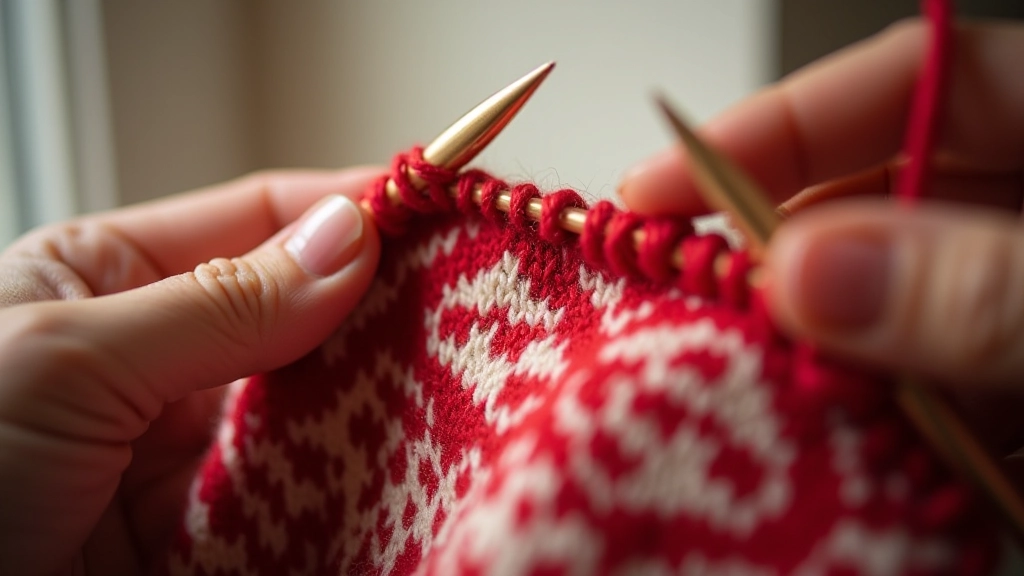
Fair Isle Patterns for Beginners: Starting Simple
Learn how to choose your first Fair Isle project, manage two-color stranding without tension issues, and work through classic geometric patterns step by step.
Read MoreEssential Guides for British Textile Crafts
Explore Fair Isle patterns, British wool selection, beginner sewing projects, and haberdashery resources curated for crafters across the United Kingdom.
Fair Isle knitting is a traditional Scottish technique that uses two colors per row to create intricate geometric patterns. It's distinctive because the yarn you're not using gets carried (or "stranded") across the back of your work. This makes Fair Isle pieces durable and beautifully patterned — though they do require focus when you're learning.
British wool varies by region and sheep breed. Shetland wool is fine and durable, while Welsh wool tends to be warmer and chunkier. Consider your project's purpose — a jumper needs different properties than a scarf. Weight, fiber content, and care requirements all matter. Most haberdashery shops in the UK can help match yarn to your specific project.
Not necessarily — it's just different. Sewing has a steeper learning curve initially because you're working with a machine and fabric that behaves differently than yarn. But once you understand basic seams and tension, sewing often feels more forgiving. Many people do both because they complement each other well.
The UK has brilliant independent haberdashery shops, plus larger chains. Local shops often have knowledgeable staff who can advise on specific projects. Online retailers offer wider selection and convenience. We've compiled guides to established shops and online resources to help you find exactly what you need for your next project.
Learn from experienced crafters and textile experts
Learn how to choose your first Fair Isle project, manage two-color stranding without tension issues, and work through classic geometric patterns step by step.
Read MoreCompare fiber properties, regional characteristics, and best uses for different British wool types. Know what to look for when shopping at haberdashery counters.
Read More
Tote bags, pillowcases, and simple garment projects that teach essential skills without overwhelming beginners.
Read MoreDiscover established haberdashery shops in major cities and regions. Find places where staff actually know textiles and can help with your specific projects.
Read MoreGood needles make learning easier. They're worth the investment and last for years.
Real feedback and community support accelerate your progress and keep you motivated.
Wool and cotton are more forgiving than synthetics when you're learning technique.
Record yarn weights, stitch counts, and modifications. You'll reference these constantly.
Master basic techniques first. You'll enjoy advanced projects far more when you're ready.
You'll get personalized advice and can feel the quality of materials before purchasing.