
Common Questions
Find answers about Fair Isle patterns, British wool selection, sewing projects, and finding quality haberdashery supplies across the UK.
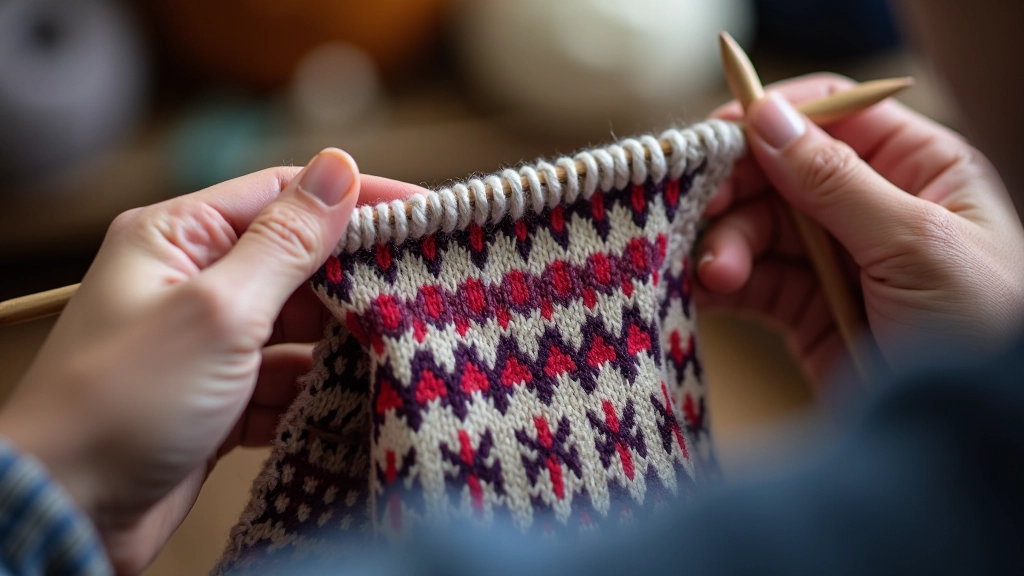
Most knitters with solid basic skills can start simple two-colour patterns within 4-6 weeks of practice. Fair Isle isn't as scary as it looks — once you get comfortable holding two yarns and reading a basic chart, you're already there. The real journey is exploring traditional patterns and developing your own colour combinations, which is where the genuine learning happens.
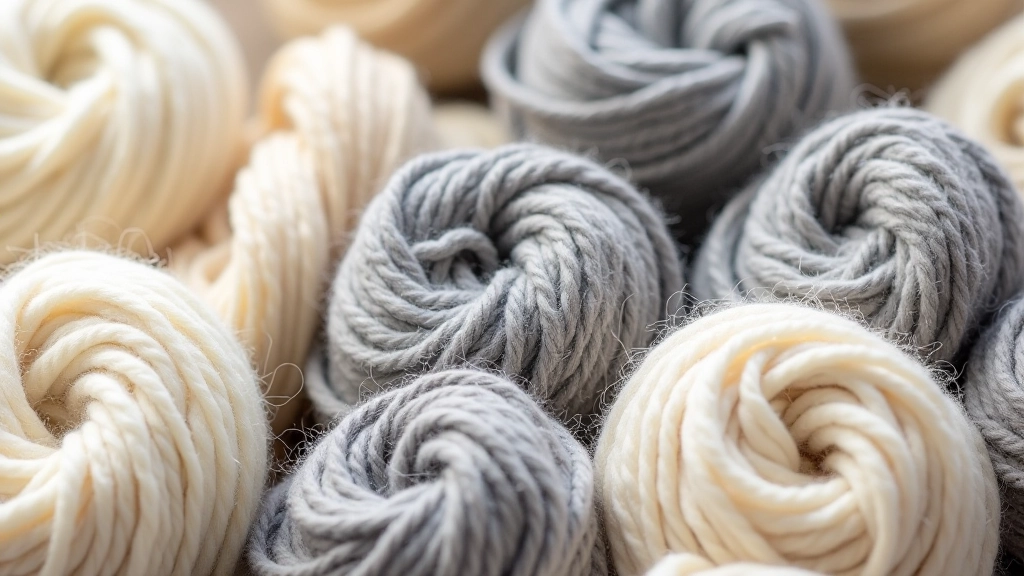
Each British wool region produces distinctly different fibres. Shetland wool is lightweight and slightly elastic with a distinctive lanolin feel — perfect for lace and Fair Isle. Donegal comes from Irish sheep and has those characteristic coloured flecks throughout. Welsh wool tends to be thicker and hardier, great for outdoor garments. The best choice depends on your project and what feel you're after.
Absolutely — simple projects like drawstring bags, pillowcases, and basic aprons take 3-5 hours of actual sewing time. If you're a complete beginner, you might spend an extra hour or two learning to thread the machine and getting comfortable with seams, but we're talking one weekend of relaxed crafting, not weeks of struggle.
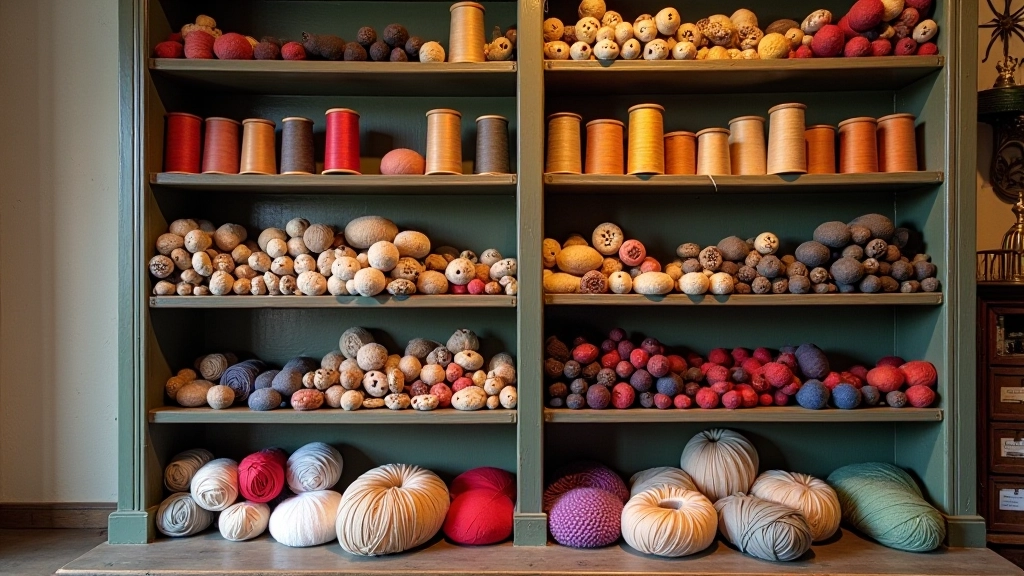
We've put together a detailed directory of independent shops across the UK — everything from vintage button specialists in Bath to family-run wool shops in the Scottish Borders. The difference between a good haberdashery and a supermarket fabric aisle is night and day: staff who actually know their stock, quality materials, and genuine enthusiasm for helping your project succeed. Browse our full directory here .
No special equipment needed — just your regular needles and two balls of yarn. Some people prefer needles with slightly sharper points for Fair Isle work (bamboo needles give you extra grip), but you can absolutely learn with whatever needles you've got. A simple pattern chart and maybe a highlighter to track your progress is honestly all the extra gear you need.
Look for yarn labels that mention the specific farm or region — transparency is usually a good sign. British wool producers generally have higher welfare standards than imported alternatives, and many support traditional farming methods. If you're shopping at independent haberdasheries, the staff can often tell you exactly where the yarn comes from and how it's produced, which beats any marketing claim.
Still have questions?
Get in touch with our team — we're here to help you find the right resources and guidance for your craft journey.
Get in Touch